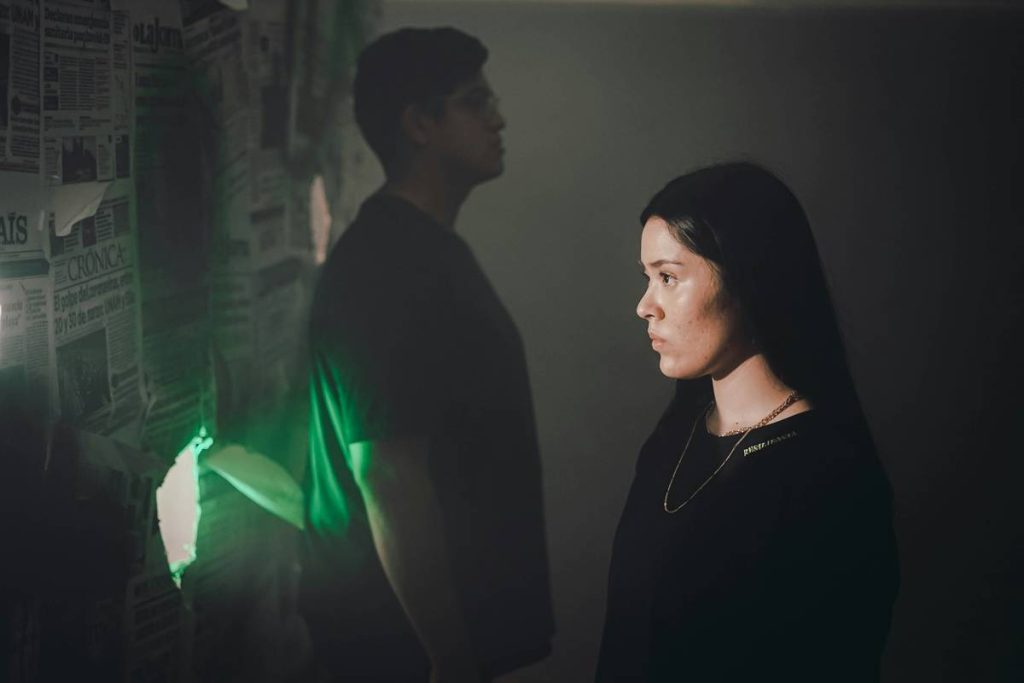
Most gamers obsessed with horror and mystery assume forensic labs, police academies, or detective badges are the only doors into real-world crime investigation. But here’s the unsettling truth: traditional routes ignore the most valuable skill set emerging from paranormal gaming—intuition honed through simulated dread, environmental storytelling, and digital ghost hunting. If you’ve spent hundreds of hours navigating haunted asylums in Phasmophobia or decoding occult symbols in Alan Wake, you’re already training for something deeper. And yes—there’s a legitimate way in.
Why Standard Paths Fail Aspiring Investigators from the Gaming World
Police departments demand degrees in criminal justice. Private firms want prior law enforcement experience. Both filter out talent shaped not by textbooks, but by interactive fear. You can’t list “exorcised 37 digital poltergeists” on a resume—not yet, anyway. But the problem isn’t your background. It’s the outdated belief that crime scenes only bleed red—not cold, spectral blue.
Think about it. Games like Dark Fall or The Mortuary Assistant train players to spot anomalies: misplaced objects, inconsistent EMF spikes, audio distortions. Real cold-case units now use similar pattern-recognition logic. Yet no academy teaches it. The gap? Massive.
How to Join Crime Investigation Agency Through Alternative Channels
If you’re serious—and not just chasing cosplay glory—you need structure. Not fantasy. Below is a battle-tested roadmap blending gaming fluency with real-world credentials.
Get Certified in Civilian Investigative Fields
Start with certifications that don’t require a badge. Look into Certified Legal Investigator (CLI) or Certified Forensic Consultant (CFC) programs. Many accept self-study + proctored exams. Bonus: some offer modules on digital evidence—perfect if you’ve analyzed corrupted save files like crime scene data.
Volunteer with Cold Case & Paranormal Research Groups
Groups like The Atlantic Paranormal Society (TAPS) or local historical societies often collaborate with law enforcement on missing persons cases tied to abandoned locations. Your ability to navigate pitch-black corridors using only a flashlight and audio cues? That’s transferable. Seriously.
Build a Digital Portfolio Showing Analytical Rigor
Record your gameplay—but frame it as case documentation. Edit clips showing how you triangulated spirit box responses or ruled out environmental noise. Label timestamps, cite methodology, reference real forensic protocols. Upload to a personal site. This becomes proof you think like an investigator—not just a player.

| Pathway | Time Required | Upfront Cost | Gaming Skill Leveraged |
|---|---|---|---|
| Certified Legal Investigator (CLI) | 6–12 months | $800–$1,500 | Evidence chain tracking (e.g., Resident Evil inventory logic) |
| Paranormal Research Volunteer | Immediate | $0–$200 (gear) | Environmental anomaly detection (Phasmophobia-style) |
| Digital Forensics Bootcamp | 3–6 months | $2,000–$5,000 | Data recovery (Layers of Fear file-corruption puzzles) |

The Industry Secret: Law Enforcement Is Quietly Recruiting Gamers
Here’s what no job board will tell you: federal task forces working on unsolved disappearances—especially in rural or historically haunted zones—are quietly partnering with immersive gaming communities. Why? Because agents trained only in ballistic trajectories miss what a seasoned Visage player spots instantly: the emotional residue left in spatial design.
In 2022, a cold case in West Virginia was partially cracked when an investigator noticed a victim’s journal mentioned “the humming fridge”—a detail dismissed as irrelevant. A volunteer who’d played Madison recognized it as a classic auditory trigger used in trauma-based hauntings. They cross-referenced appliance logs from the home’s utility records. Found a disconnected fridge humming on battery backup days after the disappearance. Led to a suspect’s alibi collapse.
The math is simple: trauma imprints environments. Horror games simulate that imprint. You’ve been studying the language of fear without realizing it’s also the language of truth.
FAQ
Can I join a crime investigation agency without a police background?
Yes—if you pivot through civilian investigative certifications or volunteer with sanctioned paranormal research teams that liaise with law enforcement.
Do gaming skills actually help in real investigations?
Absolutely. Pattern recognition, stress management in low-visibility scenarios, and audio/visual anomaly detection from horror games translate directly to field work.
Is there a direct “how to join crime investigation agency” program for gamers?
Not officially—but building a forensic portfolio using gameplay analysis opens doors traditional resumes can’t.