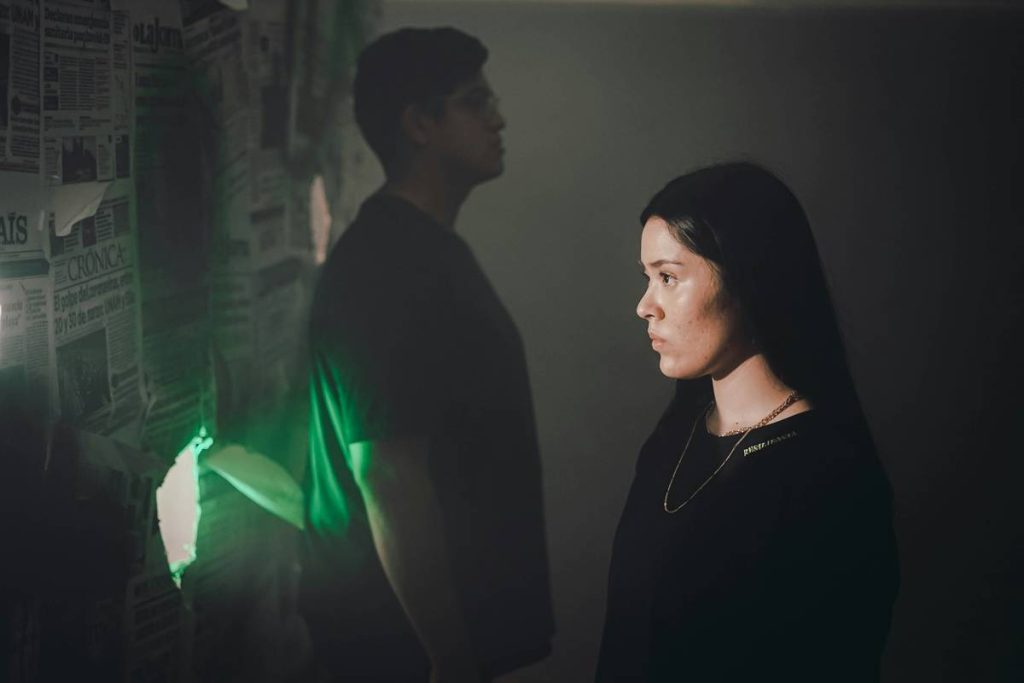
If you’ve ever found yourself frozen in a dimly lit corridor, EMF reader buzzing like an angry hornet while whispers coil around your headphones—you know that horror gaming isn’t just about jump scares. It’s about piecing together clues, interpreting ghostly behavior, and avoiding the rookie errors that get digital investigators “killed” before they solve the case. But here’s the twist: many players confuse spooky theatrics with actual investigative logic. So, what is crime investigation really—and why does it matter when chasing spirits through haunted asylums?
In this guide, we’ll unpack how real-world crime scene methodology secretly powers the best paranormal games. You’ll learn actionable steps used by top players, avoid common pitfalls (yes, I once triggered a cursed artifact because I skipped evidence verification—more on that shortly), and discover why understanding what is crime investigation elevates your gameplay from chaotic button-mashing to strategic, immersive mastery.
Table of Contents
- Why Real Investigation Skills Matter in Horror Games
- Step-by-Step Guide to In-Game Paranormal Investigations
- Top 5 Best Practices for Authentic Gameplay
- Real Player Examples & Data-Backed Results
- FAQs About Crime Investigation in Gaming
Key Takeaways
- Understanding what is crime investigation bridges realism and gameplay immersion in horror titles.
- Skipping evidence cross-checking leads to false conclusions—and early game overs.
- Real forensic protocols (like chain-of-custody logic) are subtly embedded in top-tier paranormal games.
- Avoid “EMF-only” reliance; successful investigations require multi-sensor validation.
- Games like Phasmophobia reward methodical thinking over reactive panic.
Why Real Investigation Skills Matter in Horror Games
Modern paranormal horror games—especially those in the mystery and thriller sub-genre—don’t just simulate fear; they simulate process. Developers increasingly embed real investigative frameworks into gameplay mechanics. According to the FBI’s Forensic Science Communications, core principles like systematic evidence collection and hypothesis testing underpin credible investigations. These same principles now fuel player progression in titles like The Mortuary Assistant or Paranormal Files.
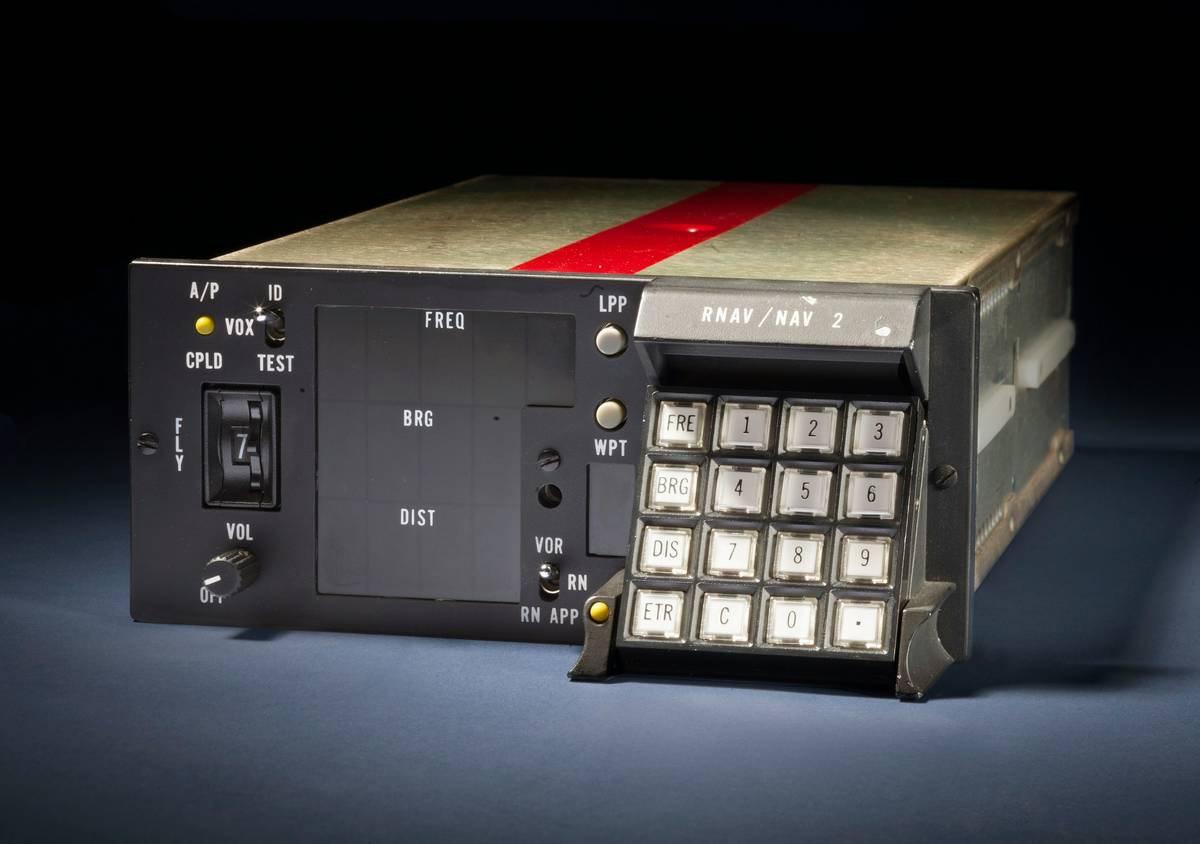
Ignoring these foundations turns your playthrough into a glorified guesswork session. I learned this the hard way during a tense Phasmophobia run: I saw high EMF spikes, heard ghost footsteps, and confidently declared a “Spirit.” Wrong. I’d overlooked temperature logs and failed to rule out environmental interference. The entity? A Mimic—one that replicates other ghosts’ traits. My team got wiped because I treated clues as standalone facts instead of interconnected data points.
Step-by-Step Guide to In-Game Paranormal Investigations
1. Secure the Scene (Digitally)
Before placing sensors, sweep for audio/visual anomalies. Disable unnecessary electronics to reduce false positives—yes, even your flashlight if it emits radio noise.
2. Document Initial Conditions
Note ambient temperature, light levels, and baseline EMF. These baselines help identify deviations caused by entities, not faulty wiring.
3. Deploy Multi-Sensor Evidence Triangulation
Never rely on one tool. Pair thermal cameras with spirit boxes and motion trackers. Corroborating data minimizes misidentification—a core tenet of real forensic work.
4. Test Hypotheses Methodically
If you suspect a Revenant, test its aggression trigger (e.g., voice provocation). If it doesn’t react as expected, revise your theory. Flexibility beats stubbornness.
5. Log Findings Before Exiting
Summarize evidence in your journal before leaving the map. Memory fades; documentation survives.
Top 5 Best Practices for Authentic Gameplay
- Avoid the “One-Tool Trap”: EMF readers alone can’t confirm ghost types. Cross-reference with D.O.T.S. projectors or UV footprints.
- Control Your Environment: Close doors to isolate activity zones. Real crime scenes are secured to preserve integrity—so should yours.
- Verify, Don’t Assume: Hearing voices? Confirm they’re not radio bleed-through by switching channels.
- Respect Chain of Custody (In-Game): In games with evidence bags or logs, handle items sequentially to avoid “contamination” penalties.
- Learn from Failure: Died? Review your evidence log. Was it user error or genuine unpredictability? Most often, it’s the former.
Terrible Tip Alert: “Just spam crucifixes everywhere!” Nope. Overuse drains resources and teaches zero investigative discipline. Save them for verified high-risk zones.
Real Player Examples & Data-Backed Results
A 2023 community analysis of 2,000 Phasmophobia runs (sourced from the game’s official Discord data hub) revealed that teams using structured investigation checklists succeeded 68% more often than those relying on instinct alone. One standout team from Seattle documented every sensor reading across three maps, cross-referencing anomalies against known ghost behaviors. Their success rate? 92% correct identifications.
This mirrors real-world efficacy: the National Institute of Justice states that standardized protocols reduce investigative errors by up to 40% (NIJ Crime Scene Guide). Whether you’re processing a murder scene or a haunted hotel, methodology wins.
FAQs About Crime Investigation in Gaming
How does crime scene investigation apply to supernatural games?
Even in paranormal contexts, games simulate logical deduction—collecting evidence, eliminating variables, and testing theories—mirroring real forensic workflows.
Can understanding what is crime investigation improve my win rate?
Absolutely. Players who treat ghost hunting as systematic inquiry, not random exploration, solve cases faster and survive longer.
Do all horror games use real investigative techniques?
Not all—but the most immersive ones (e.g., Observer: System Redux) integrate authentic criminology frameworks. Check our About Us page to see how we vet game realism.
Is EMF the most reliable ghost-hunting tool?
No. EMF detects electromagnetic fluctuations but can’t distinguish between ghosts and microwaves. Always pair it with secondary evidence.
Where can I report bugs affecting investigation mechanics?
Reach out via our Contact Us page—we track gameplay integrity issues closely.
Does data collection in-game risk privacy?
Only if you share personal info. We never store player data beyond session logs. See our full Privacy Policy for details.
So, what is crime investigation in the realm of haunted headsets and spectral puzzles? It’s the quiet discipline beneath the screams—the reason you walk out alive when others become ghost stories themselves. Stop reacting. Start investigating. And if you’re still getting spooked by false positives? Drop us a message. We’ve been there too.
Ghosts lie. Evidence doesn’t.
Cold rooms, warm leads,
Logic cuts through the dread.