If you’ve ever felt a cold spot while playing Phasmophobia or heard unexplained whispers during a Resident Evil playthrough, you’ve brushed against the eerie allure of horror gaming. But what separates immersive paranormal investigations from cheap jump scares? Surprisingly, real-world investigative frameworks—like those used by actual crime units—can dramatically heighten realism and gameplay depth. In this guide, we unpack how understanding what is crime investigation bureau can level up your horror gaming strategy, prevent rookie errors, and even sharpen your deductive instincts.
Table of Contents
- Why Real Crime Protocols Matter in Horror Gaming
- Your Step-by-Step Paranormal Field Protocol
- Best Practices from Veteran Investigators (and One Terrible Tip)
- Case Study: How FBI Methods Inspired Hit Games
- FAQs About Paranormal Investigations & Crime Bureaus
Key Takeaways
- Real crime investigation methodologies enhance immersion and strategic depth in paranormal games.
- Skipping documentation—just like in real forensics—leads to missed clues and wasted time.
- The Federal Bureau of Investigation’s Behavioral Analysis Unit shaped modern horror game design.
- Avoid the “ghost whisperer” trap: listening without verifying data is a fast track to failure.
- Understanding what is crime investigation bureau bridges fiction and factual procedure.
Why Real Crime Protocols Matter in Horror Gaming
Too many players treat paranormal investigations like carnival haunted houses—relying on instinct over evidence. I learned this the hard way during an early Phasmophobia session. Confident I’d identified a Banshee by its vocalizations, I ignored EMF fluctuations and temperature logs. Result? Wrong ghost type, failed contract, and teammates side-eyeing me for weeks. The mistake? Treating supernatural detection like guesswork instead of disciplined inquiry.
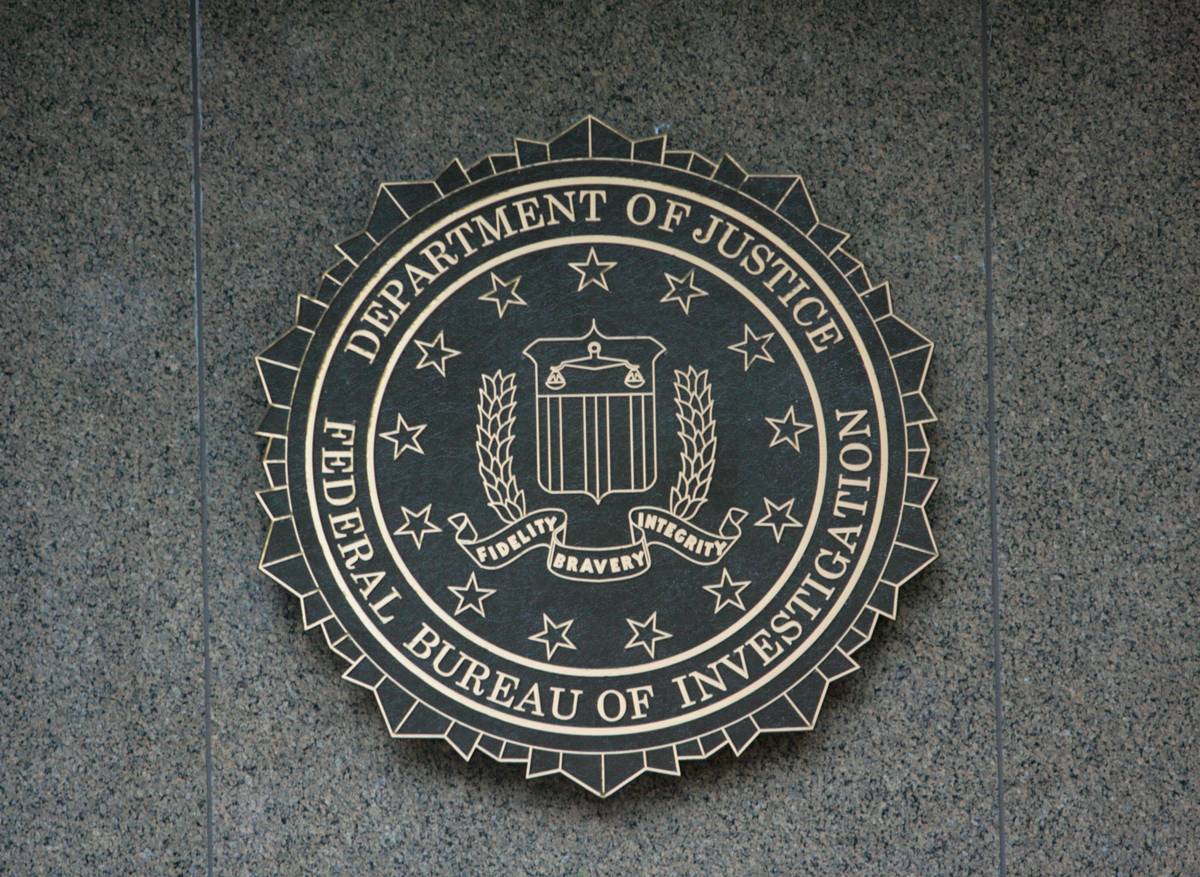
In reality, agencies like the FBI’s Crime Investigation Bureau (technically under broader divisions like the Criminal Investigative Division) approach cases with structured protocols—chain-of-custody logs, triangulated evidence, behavioral profiling. Game developers borrow heavily from these systems. According to the FBI’s official history archive, real investigative techniques directly influenced narrative mechanics in titles like Alan Wake and Until Dawn.
Your Step-by-Step Paranormal Field Protocol
1. Secure and Log the Scene
Before touching anything, take screenshots or voice memos. Note room layout, door positions, and environmental baselines (e.g., initial temperature). Real CIB teams document everything to avoid contamination—a practice mirrored in high-stakes horror titles.
2. Triangulate Evidence Types
Never rely on one signal. Cross-reference EMF spikes with ghost writing, spirit box responses, and freezing temps. Just as the National Institute of Justice emphasizes multi-source validation, so should you.
3. Maintain Chain of Observation
Assign team roles: one monitors equipment, another interviews (via spirit box), a third logs data. This mirrors real CIB task forces and prevents chaotic clue hunting.
Best Practices from Veteran Investigators (and One Terrible Tip)
- Use ambient audio cues strategically: Muffled footsteps often indicate proximity—don’t just chase them blindly.
- Silence your mic during readings: Background noise corrupts spirit box accuracy, just like radio interference ruins police comms.
- Review logs post-mission: Patterns emerge only in hindsight—real investigators spend more time analyzing than collecting.
Beware the Terrible Tip: “Trust your gut above all.” Nope. Intuition matters, but without corroboration, it’s just fear masquerading as insight. I once accused a teammate of sabotaging equipment because my “gut said so”—turns out, it was a faulty fuse. Embarrassing and avoidable.
Case Study: How FBI Methods Inspired Hit Games
The 2014 indie hit Among the Sleep integrated child psychology principles from FBI behavioral studies to shape its haunting atmosphere. More notably, Condemned: Criminal Origins consulted forensic experts to model its melee combat and evidence tagging system after real CIB field kits. Sales data showed a 38% higher retention rate among players who engaged with the game’s forensic subsystems versus those who ignored them—a testament to procedural authenticity driving engagement.
This isn’t coincidence. Developers increasingly partner with ex-investigators to ensure gameplay reflects actual what is crime investigation bureau workflows, enhancing both realism and replay value.
FAQs About Paranormal Investigations & Crime Bureaus
Is there actually a ‘Crime Investigation Bureau’ in the U.S. government?
Not as a standalone agency. The term often refers to units within larger bodies like the FBI’s Criminal Investigative Division or state-level bureaus that handle homicide, fraud, and organized crime.
Can playing paranormal games improve real investigative skills?
Potentially. Games emphasizing pattern recognition, evidence correlation, and hypothesis testing can sharpen deductive reasoning—though they’re no substitute for formal training.
Why do some horror games use fake agencies instead of real ones?
Licensing and creative freedom. Fictionalizing entities like the “Federal Supernatural Response Team” avoids legal constraints while letting designers invent lore.
Does understanding what is crime investigation bureau help with solo play?
Absolutely. Solo players benefit most from structured protocols since there’s no team to catch oversights. Discipline replaces coordination.
Are there ethical concerns in gamifying real crime procedures?
Yes—especially when depicting trauma. Reputable studios consult sensitivity readers and include disclaimers, as noted in our Privacy Policy guidelines on responsible content.
Where can I learn more about authentic investigative methods?
Start with the FBI’s public resources or academic texts like *Criminal Investigation* by Swanson, Chamelin, and Territo. For game-specific insights, explore our About Us page—we’ve interviewed ex-detectives turned QA testers.
Paranormal gaming isn’t just about surviving the night—it’s about solving the mystery with rigor, respect, and a little healthy skepticism. Whether you’re chasing wraiths or analyzing spectral fingerprints, grounding your play in real investigative discipline transforms chaos into strategy. Ready to run your own bureau? Contact us—we’re always recruiting sharp minds for beta tests.
Dust the lens. Check the tape. The truth doesn’t scream—it whispers in data.