Most gamers chasing the “how to become crime investigation officer” fantasy stop at badge-waving cutscenes and scripted interrogations. But real investigative grit? That’s forged in uncertainty—in flickering hallways where evidence bleeds into hallucination. Traditional paths teach procedure; they don’t prepare you for the moment a ghost alters your case file mid-investigation.
Why Standard Training Fails in the Supernatural Arena
Police academies drill chain-of-custody protocols. They don’t cover EMF spikes corrupting digital logs or spirit manifestations mimicking false confessions. In paranormal investigations, evidence isn’t just physical—it’s psychological, temporal, even spectral. Relying solely on forensic textbooks leaves you blind when the victim’s ghost whispers contradictory alibis.
And here’s the kicker—most horror games simulate this flaw perfectly. You’re handed a magnifying glass while the walls bleed clues you can’t photograph.
How to Become Crime Investigation Officer: The Hybrid Playbook
Forget rigid career ladders. Today’s top investigators blend criminology with esoteric fieldcraft. This isn’t theory—it’s what separates NPCs from protagonists who survive Act III.
Foundational Criminology (Non-Negotiable)
Start with accredited coursework in criminal justice or forensic science. Understand autopsy reports before interpreting phantom wounds. Without baseline knowledge, every shadow looks like a suspect.
Paranormal Field Immersion
Volunteer with reputable ghost-hunting collectives. Not the TikTok kind. The teams using Faraday cages to isolate EVPs while cross-referencing municipal death records. Real-world anomaly logging trains pattern recognition faster than any tutorial.
Digital Forensics + Haunted Tech
Modern cases live on corrupted hard drives humming with residual energy. Learn data recovery—but also how to detect when a photo’s metadata was altered by non-human interference. Yes, that’s a real issue in documented cases.
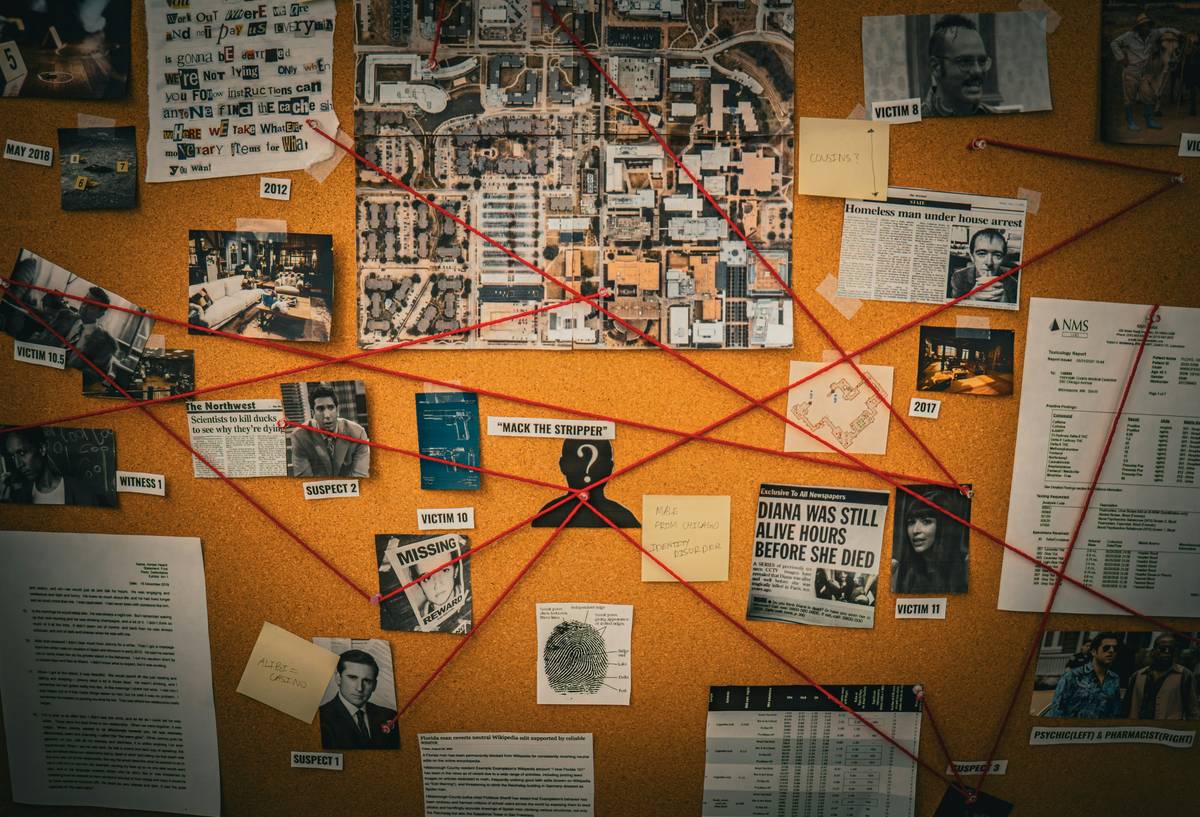
| Path Component | Traditional Route | Paranormal-Enhanced Route | Time Investment |
|---|---|---|---|
| Evidence Handling | Gloves, chain-of-custody forms | Salt-lined bags, quantum fluctuation logs | 6–12 months |
| Interrogation Skills | Miranda rights, behavioral cues | Spirit box dialogue parsing, entity deception flags | 3–9 months |
| Case Documentation | Digital reports, timestamps | Chroniton-stamped journals, reality drift annotations | Ongoing |
The Industry Secret: Reality Anchoring
Veterans never rely on one sensory channel. Here’s what studios won’t tell you: during intense paranormal encounters, your brain starts filtering out contradictions to preserve sanity. The fix? Reality anchors—physical objects calibrated to known physics (e.g., a compass unaffected by EM fields). When everything glitches, that anchor confirms whether you’re still in base reality or a constructed haunt.
Think about it. In Phasmophobia, seasoned players carry UV pens not just to spot prints—but because ink behavior under spiritual duress reveals dimensional breaches. That’s not gameplay. That’s tradecraft.
Frequently Asked Questions
Do I need a police academy degree to investigate paranormal crimes?
No—but foundational criminology is essential. Many elite paranormal units recruit anthropologists and physicists who later certify in criminal procedure. Flexibility beats rigidity.
Can video games actually train real investigative instincts?
Surprisingly, yes. Games like Return of the Obra Dinn force deductive leaps from fragmented clues—a skill directly transferable to cold-case reviews with missing evidence.
What’s the biggest mistake new investigators make?
Over-relying on tech. EMF readers lie. Thermal cameras glitch. Your best tool remains skeptical observation—especially when the “victim” blinks out of existence mid-sentence.