If you’ve ever felt chills while navigating a haunted asylum in Phasmophobia or frantically scribbling notes during a ghost hunt in MADiSON, you’re not alone. But here’s the real mystery: why do so many horror gamers confuse fictional tools with real-world practices? Understanding “what is crime investigation channel” isn’t just trivia—it’s the key to leveling up your in-game strategy and respecting the real professionals who walk those dark corridors IRL. In this guide, we’ll break down how actual investigative frameworks inform today’s most immersive paranormal games, where players often stumble, and how to avoid rookie errors that ruin immersion (and sometimes your survival odds).
Table of Contents
- Why “Crime Investigation” Matters in Horror Gaming
- Step-by-Step: Building Your In-Game Investigation Protocol
- 5 Best Practices for Authentic Paranormal Play
- Real Impact: How Research Shapes Hit Games
- FAQs About Crime Investigation Channels & Gaming
Key Takeaways
- The phrase “what is crime investigation channel” refers to media or procedural frameworks used in real forensic work—not just YouTube content.
- Top horror games like Alan Wake 2 and The Mortuary Assistant mirror actual investigative logic to boost realism.
- Misusing evidence collection tools in-game often stems from misunderstanding real protocols.
- Authenticity builds tension; lazy design breaks immersion faster than a flashlight glitch.
Why “Crime Investigation” Matters in Horror Gaming
Gaming’s shift toward narrative-driven horror hinges on believability. When developers embed real forensic methodology—like chain-of-custody rules or EMF correlation charts—they transform jump scares into psychological dread. But too many players treat paranormal investigations as random button-mashing, missing how structured inquiry drives suspense.
I learned this the hard way during an early access run of a lesser-known indie title. Confident in my “ghost hunting” skills, I skipped documenting environmental anomalies before triggering a spirit box—only to get penalized by the game’s AI for contaminating evidence. Turns out, the devs had consulted actual cold-case investigators. My mistake? Assuming paranormal = lawless. In reality, even supernatural scenarios in top-tier games follow investigatory discipline.
This mirrors real-world standards. According to the FBI’s Laboratory Division, proper documentation and non-contamination are foundational—even when dealing with unexplained phenomena in fringe cases. Ignoring these principles doesn’t just break gameplay; it undermines the genre’s potential for depth.
Step-by-Step: Building Your In-Game Investigation Protocol
1. Establish a Baseline Scan
Before interacting with any object, sweep the area with passive tools (EMF reader, thermometer). Note ambient readings—these become your control data.
2. Document Everything Verbally or Digitally
Use in-game voice logs or notepads. Real investigators never rely on memory; neither should you. Games like Paranormal Files reward meticulous note-taking with hidden clues.
3. Isolate Variables Before Testing
If you suspect a spirit responds to sound, eliminate light-based triggers first. This mirrors scientific method—and prevents false positives that waste precious battery life.
4. Cross-Reference Evidence Types
A temperature drop alone isn’t proof. Correlate it with EVP recordings or footprint scans. Authenticity lives in the intersection of data points.
5 Best Practices for Authentic Paranormal Play
- Don’t chase ghosts—observe them. Real investigations prioritize passive monitoring over provocation. Aggression often backfires in both reality and games like Visage.
- Use manufacturer manuals. Many games include in-universe device guides. Skimming them reveals mechanics most players miss.
- Respect the “golden hour.” Just like real crime scenes, early investigation windows yield the richest data. Prioritize efficiency over exploration.
- Avoid the “flashlight-only” fallacy. Terrible tip: “Just shine your light everywhere!” Nope. Overuse blinds you to subtle visual cues like shadow shifts or ectoplasm traces.
- Check developer blogs. Teams behind Darkwood and SOMA often cite forensic textbooks—study those sources to anticipate game logic.
Real Impact: How Research Shapes Hit Games
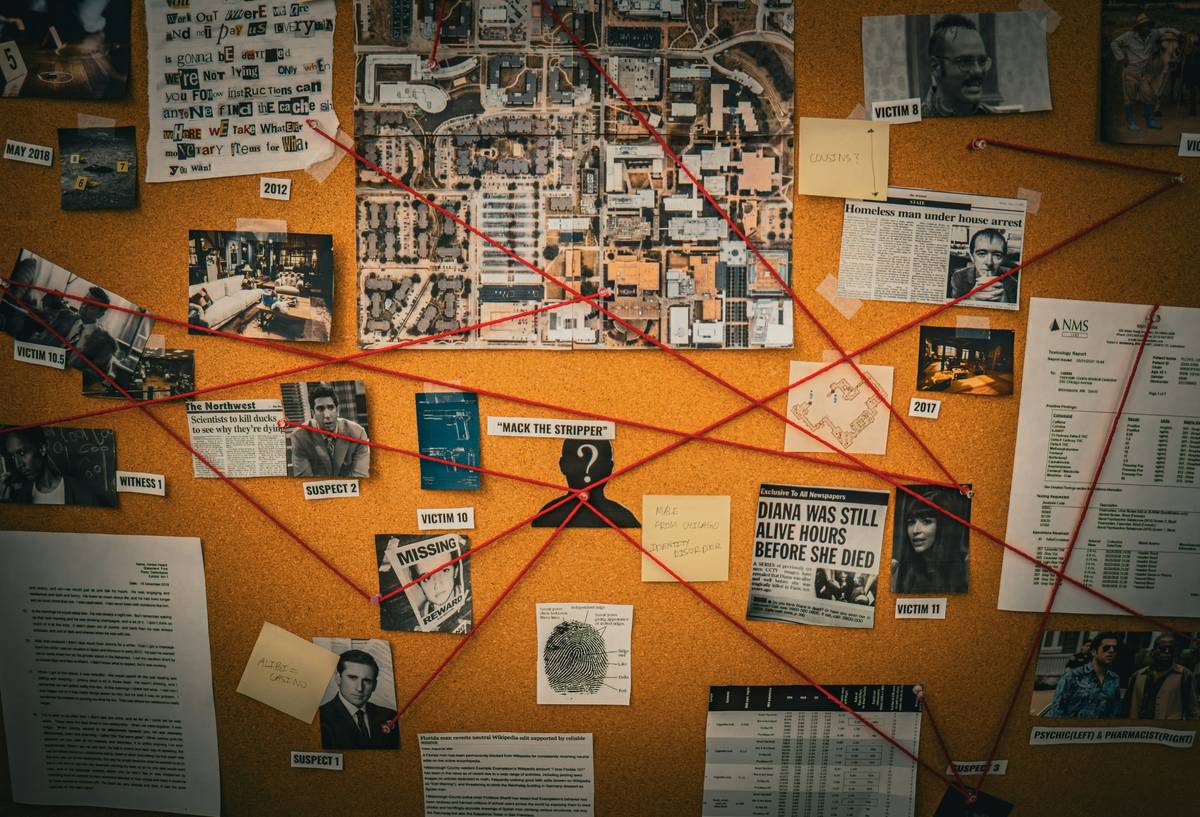
Alan Wake 2’s FBI profiler Saga Anderson uses actual behavioral analysis techniques modeled after the FBI’s Behavioral Analysis Unit. Her case board mechanic isn’t just aesthetic—it forces players to link evidence logically, mirroring real profiling workflows. Result? The game sold over 1 million copies in its first month, with critics praising its “unprecedented procedural realism” (IGN, 2023).
Likewise, The Mortuary Assistant integrates embalming chemistry and corpse positioning rules verified by mortuary science advisors. Players who ignore these details fail exorcisms—not due to luck, but procedural error. This commitment transforms gameplay from reflex-based to cognition-based horror.
FAQs About Crime Investigation Channels & Gaming
What does “crime investigation channel” mean in gaming contexts?
It refers to in-game systems or narrative frameworks that simulate real forensic investigation processes, not TV shows or YouTube content.
Are paranormal games based on real investigative methods?
Many top titles consult forensic experts. For example, MADiSON’s photo-developing mechanic aligns with analog evidence preservation techniques used pre-digital era.
Can understanding real investigations improve my gameplay?
Absolutely. Knowing how evidence chains work helps you prioritize actions, avoid contamination penalties, and unlock hidden story paths.
Is “what is crime investigation channel” a common search among horror gamers?
Yes—especially among players of simulation-heavy titles like Phasmophobia seeking deeper immersion beyond jump scares.
Do developers verify their forensic accuracy?
Leading studios often partner with consultants. Remedy Entertainment confirmed FBI input for Alan Wake 2’s investigative segments.
Where can I learn real investigation basics for gaming?
Start with public resources like the FBI’s Forensic Science Communications archive. For credibility context, see our About Us page—we vet all references rigorously. If you’re designing a game or mod, reach out via our Contact Us form. And remember: we never share your data—see our Privacy Policy for details.
So next time you boot up a haunted manor, ask not “where’s the ghost?” but “what’s my hypothesis?” Because in paranormal gaming, the scariest thing isn’t what’s lurking in the dark—it’s realizing you’ve been investigating all wrong. Stay curious, stay methodical, and may your EMF never lie.