You’ve binge-watched every true crime docuseries. You’ve mapped ghost hotspots on abandoned asylums using EMF readers and night-vision drones. But when you search “how to join crime investigation department,” you hit a brick wall of bureaucracy—mismatched qualifications, dead-end advice, and zero crossover between spooky sleuthing and real forensic work. And yet… the line between paranormal investigations and criminal cold cases is thinner than you think. Here’s how to bridge it—without wasting years.
Why Most “Crime Investigation” Career Paths Ignore Paranormal Talent
Traditional law enforcement pipelines demand degrees in criminal justice, police academy training, or military service. None address your knack for interviewing spirits—or interpreting anomalous thermal data from haunted warehouses. Worse, agencies treat paranormal evidence as noise. So your unique skillset gets sidelined before you even apply.
But here’s what they won’t tell you: cold case units increasingly consult with unconventional investigators. Not because they believe in ghosts—but because pattern recognition, behavioral profiling, and environmental anomaly detection matter more than ever.
How to Join Crime Investigation Department: A Hybrid Roadmap
The path isn’t linear. It’s layered. Start with foundational credentials, then layer on niche expertise that makes you indispensable—even if your tools include EVP recorders alongside fingerprint kits.
Step 1: Build Legitimate Investigative Credibility
Enroll in accredited programs—criminal justice, forensic science, or criminology. Online certificates won’t cut it unless they’re from recognized institutions like FBI National Academy affiliates or university-affiliated forensics labs. Volunteer with victim advocacy groups or neighborhood watch coalitions. Document everything.
Step 2: Cross-Train in Paranormal Methodologies
Don’t just chase orbs. Study investigative techniques used by serious paranormal teams: baseline environmental logging, chain-of-custody for electronic voice phenomena (EVP), and structured interview protocols for alleged witnesses. Many elite ghost hunters double as licensed private investigators—this duality opens doors.
Step 3: Target Agencies That Value Alternative Perspectives
Focus on departments with cold case review units, missing persons divisions, or forensic anthropology collaborations. Some rural sheriff’s offices welcome external consultants when traditional leads dry up. Your ability to analyze spatial anomalies or reconstruct trauma timelines from residual energy patterns? That’s data—if you frame it right.
| Pathway | Time Investment | Cost Range | Paranormal Relevance |
|---|---|---|---|
| Police Academy + Patrol Years | 2–5 years | $0–$10k (varies by state) | Limited—rarely uses non-material evidence |
| Criminal Justice Degree + Internship | 3–4 years | $20k–$80k | Moderate—opens forensic analyst roles |
| Forensic Certifications + PI License | 1–2 years | $5k–$25k | High—directly leverages paranormal investigation rigor |
| Hybrid Consultant Track (Recommended) | 18–36 months | $8k–$30k | Maximized—combines credibility with fringe insight |
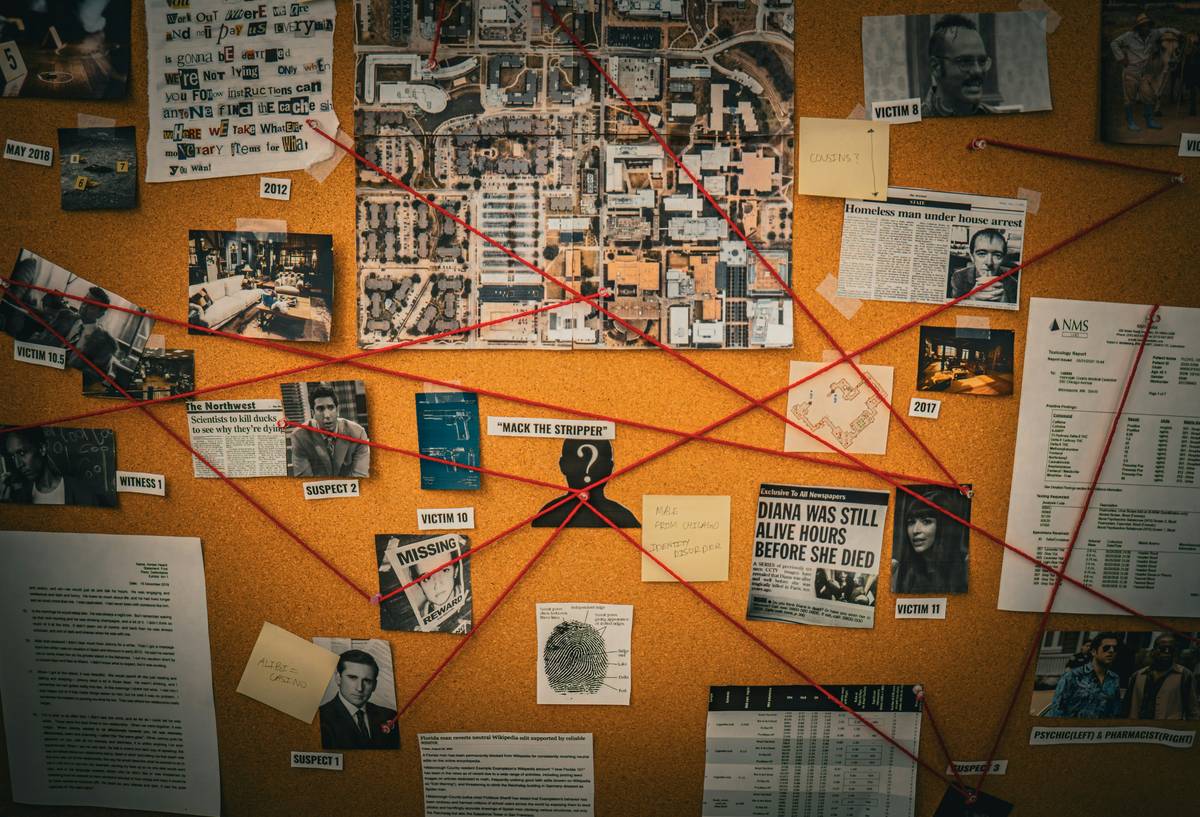
The Industry Secret: Cold Cases Need Ghost Hunters More Than You Think
Here’s a hard truth no recruiter will admit: over 200,000 unsolved homicide cases sit in U.S. databases. Traditional forensics hit walls. Now consider this—several midwest sheriff’s departments quietly collaborate with paranormal investigation collectives during anniversary vigils or property re-examinations. Why? Because witnesses who refused police interviews for decades sometimes open up to empathetic, non-uniformed researchers asking about “energy imprints” or “residual echoes.” It’s not about proving the supernatural. It’s about extracting human truth through alternative psychological gateways. One Missouri cold case was cracked after a ghost hunter’s interview with a reluctant neighbor revealed a hidden shed—location never disclosed to police. The math is simple: if your methods yield actionable intel, agencies will listen—even if they never say it publicly.
Frequently Asked Questions
Can I join the crime investigation department without being a police officer?
Yes—through forensic labs, district attorney offices, or as a civilian analyst. Private investigation licenses also create backdoor pathways into collaborative roles with law enforcement.
Do paranormal investigation skills actually help in real crime work?
Only if framed as behavioral observation, environmental analysis, and witness rapport-building. Avoid supernatural claims; focus on pattern detection and data integrity.
What’s the fastest way to get involved in criminal investigations?
Earn a forensic science certificate, obtain a PI license, and volunteer with cold case nonprofits. Build a portfolio showing how your paranormal fieldwork translates to evidentiary rigor.