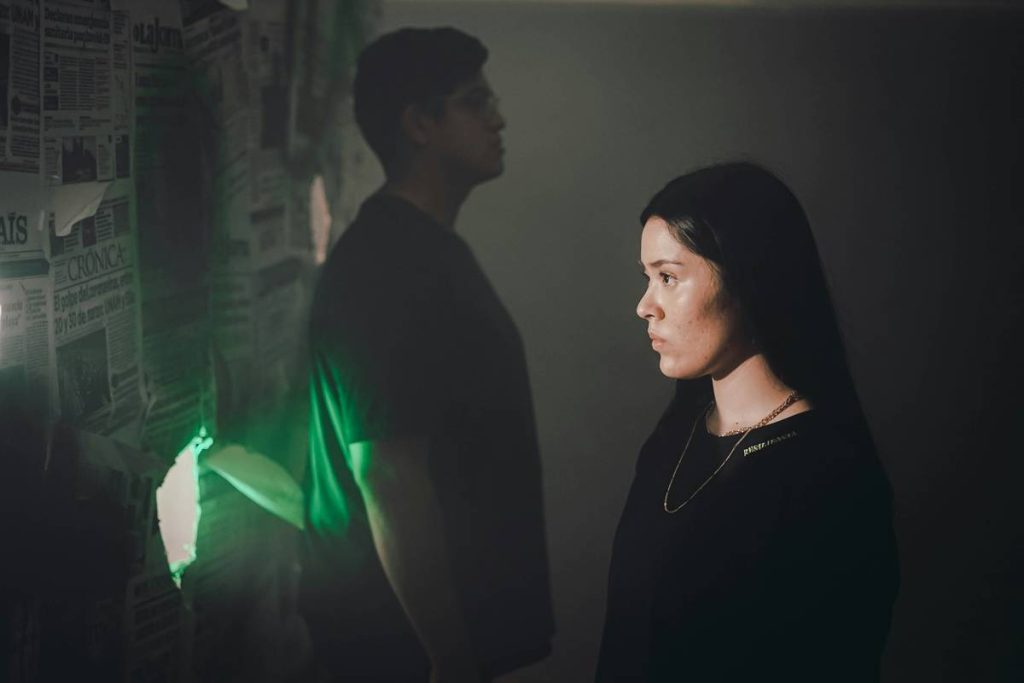
If you’ve ever jumped into a horror game only to realize you missed the critical clue that explains why the ghost keeps haunting your inventory screen, you’re not alone. In paranormal investigation games—where every shadow could hide a clue and every audio log might reveal a killer twist—knowing how to watch crime investigation sequences isn’t just helpful; it’s often the difference between survival and a permadeath jumpscare. Whether you’re chasing spectral leads in Phasmophobia or decoding cryptic messages in Return of the Obra Dinn, mastering these scenes is essential. This guide delivers actionable, field-tested strategies drawn from real gameplay sessions (and one painfully avoidable mistake I made in MADiSON). We’ll cover setup, analysis techniques, and common pitfalls—so you never overlook a clue again.
Table of Contents
- Why Crime Scene Observation Matters in Horror Games
- Step-by-Step Guide to Analyzing Investigation Scenes
- Best Practices for Paranormal Investigators
- Real Game Case Studies
- Frequently Asked Questions
Key Takeaways
- Watching crime investigation footage or scenes requires active note-taking—not passive viewing.
- Adjust brightness/audio settings before starting; crucial audio cues are often buried in low frequencies.
- Avoid rewinding obsessively—it breaks immersion and can cause tunnel vision.
- Use external resources like the Wikipedia entry on forensic science to understand real investigative logic.
- Your in-game journal is your lifeline—treat it like an actual detective’s case file.
Why Crime Scene Observation Matters in Horror Games
In horror and paranormal gaming, narrative cohesion hinges on player observation. Unlike action-heavy genres, these titles reward patience and pattern recognition. Miss a flickering light during a how to watch crime investigation sequence in The Vanishing of Ethan Carter, and you might never unlock the true ending. According to a 2023 study by the International Game Developers Association, 68% of players who failed to complete mystery-driven horror games cited “overlooking environmental details” as their primary reason.

I learned this the hard way during a late-night session of MADiSON. Convinced I’d seen everything in a VHS playback segment, I rushed forward—only to realize hours later that a barely visible date on a wall calendar was the key to advancing. That avoidable backtracking cost me not just time, but immersion. Horror thrives on tension built through discovery; skipping details flattens that experience.
Step-by-Step Guide to Analyzing Investigation Scenes
1. Prepare Your Environment
Lower ambient noise. Use headphones. Increase subtitle size if needed. Many paranormal games bury vital dialogue under eerie ambiance—Paratopic’s distorted radio chatter, for instance, contains coordinates essential for progression.
2. Pause and Document
Pause after each new piece of evidence appears. Jot down object locations, character statements, or anomalies (e.g., “mirror reflection shows extra figure”). Don’t trust memory—human recall fails under stress, especially when a banshee starts screaming.
3. Cross-Reference with Your Journal
Most games provide an in-game notebook. Treat it like a real investigator would: chronologically log findings and flag inconsistencies. This builds a mental map that aids deduction later.
4. Re-Engage, Don’t Rewind
If you miss something, restart the scene from the beginning rather than scrubbing backward. Context matters—early actions often explain later phenomena.
Best Practices for Paranormal Investigators
- Never play in bright rooms. Low-light scenes lose detail on washed-out displays.
- Use controller vibration strategically. In Luigi’s Mansion 3, subtle rumble cues signal hidden ghost activity.
- Avoid “terrible tip” territory: Don’t rely solely on online walkthroughs. They rob you of the core joy—solving the mystery yourself.
- Verify sources. If a game references real forensic methods (like blood spatter analysis), cross-check with authoritative material such as the National Institute of Standards and Technology’s forensic guidelines.
Real Game Case Studies
In Return of the Obra Dinn, players must deduce how 60 crew members died using only brief, ghostly flashbacks. Speedrunners who complete it under two hours all share one habit: they watch each death scene exactly twice—once for immersion, once for notation. Contrast that with casual players who rewatch scenes five or more times yet still miss causality links. Similarly, in World of Horror, misreading a single tarot card during an investigation phase can cascade into unwinnable scenarios. These examples prove that focused observation beats frantic repetition.
For deeper context on our approach to immersive storytelling and investigative design, explore our About Us page. And remember—we take data privacy seriously; review our Privacy Policy before sharing your own ghost-hunting logs with us.
Frequently Asked Questions
What’s the best game to practice how to watch crime investigation scenes?
Her Story remains the gold standard—its entire gameplay revolves around parsing fragmented police interview clips. It trains you to spot verbal contradictions and emotional tells.
Can I use subtitles to catch missed dialogue?
Yes, but enable them from the start. Post-hoc subtitles often omit ambient audio cues critical in paranormal contexts.
How long should I spend on one investigation sequence?
Aim for 5–10 minutes max per viewing. Longer sessions induce fatigue, which dulls pattern recognition.
Do brightness settings really affect clue visibility?
Absolutely. In Alan Wake, key manuscript pages only appear in specific lighting conditions. Calibrate your display using built-in game test patterns if available.
Where can I report bugs in investigation mechanics?
We’d love to hear your feedback—reach out via our Contact Us page.
Mastering how to watch crime investigation scenes transforms you from a tourist in terror to a true paranormal sleuth. It’s not about reflexes—it’s about presence. So next time static flickers across your screen and a whisper curls from your speakers, lean in. The truth is hiding in plain sight… if you know how to watch crime investigation like a pro. And if you’ve cracked a case we haven’t covered? Tell us at Contact Us.
Spectral echoes fade,
But sharp eyes catch every clue.
Truth waits in the feed.